Fintech, the word, is a combination of financial technology. Ultimately, the goal of fintech is to make financial services less expensive and more flexible per transaction. The biggest promise potentially lies in reaching the so-called unbanked and unbanked. Although the industry evokes images of startups and industry-changing technology, traditional companies and banks are also constantly adopting fintech services for their own purposes.
What is the purpose of fintech?
Fintech, the word, is a combination of financial technology. Ultimately, the goal of fintech is to make financial services less expensive and more flexible per transaction.

Related Articles

Is intellectual property the same as patents?
Intellectual property is the term used to describe certain categories of rights acquired by companies to promote their commercial interests. Patent rights are considered intellectual property.

What companies use fintech?
Banking Fintech Providers & StartupSally Financial is used by more than 8.5 million people. Venmo is a popular P2P payment service.
Is blockchain considered fintech?
Optimizing Fintech with Blockchain Technology Blockchain technology can transform regular financial processes into fully transparent procedures based on secure and efficient transactions. When used correctly, blockchain can create a fintech ecosystem that can completely revolutionize finance, especially in areas like forex trading.
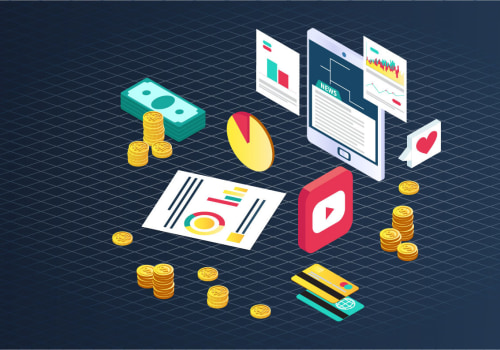
Fintech product ideas?
Digital banking is considered the goose that lays golden eggs for FinTech startups. Florinis, 7, 2nd Floor, 1065, Nicosia, Cyprus+1 (64 889-1939 Klochkivs'ka str.